
Your Professional Cold Plunge Manufacturer in China!
Bestview spa is a pioneering hot tub company founded in 2003 that is located in Jiangsu, China. We are experts in manufacturing hot tub, swimming spa, Roto mold spa, and spa cover as well. So far, we have built a stable clientele worldwide, including the Netherlands, Belgium, Denmark, Germany, France, UK, New Zealand, Australia, United States, Canada, Italy, Spain, Norway, Israel, Slovakia, Chile and the Middle East.
Why Choose Us
Certifications:We passed CE, ETL, RoHS, NSW, SAA, and ISO9000, so that our product's quality is guaranteed.
Advanced Equipment:We had professional production equipment. We built one of the longest Vacuum Oven in the world to produce 12m swimming spa, one of most advanced 6m Vacuum oven for normal swimming spa, two automatic 3m Vacuum ovens for regular spa, and one smart manual Vacuum oven for special spa.
High-Quality Service:We have a professional service team. If you have any questions before, during or after sales, you can contact us at any time and we will provide you with professional advice.
Rich Experience:We have been engaged in this industry for 18 years and have been deeply involved in this industry and constantly improving our own technology and equipment.
-

Cold Water Tub
This cold water tub was equipped with an inverter heat pump for spas operates by using a variable-speed compressor to control the flow of refrigerant and thermal transfer, resulting in a more Add to Inquiry -
Plunge Cold Tub
PLUNGE cold tub have become increasingly popular in recent years, especially among athletes and fitness enthusiasts. These tubs are designed to provide a cold water treatment for individuals who seek Add to Inquiry -
Ice Plunge Pool
Looking for a way to enhance your physical performance and improve your overall wellbeing? Look no further than an ice plunge pool. This innovative product is designed to provide a powerful Add to Inquiry -
Cold Water Plunge Pool
As the days get hotter and longer, what could be better than a refreshing dip in a pool? How about a plunge into an ice cold pool? It may sound like torture, but ice bath are becoming increasingly Add to Inquiry -
Cold Plunge Bath Tub
A cold plunge bath tub, also known as a cold water immersion tub, is a tub filled with ice-cold water that is designed to provide a variety of health benefits. Athletes have been using cold water Add to Inquiry -
Outdoor Ice Tub
Outdoor ice tub is equipped with the world's most advanced inverter heat pump that not only cooling but also heating, it offers a temperature range of 5°C to 40°C. This Mini Inverter Chiller can Add to Inquiry -
Ice Cold Tub
Designed to help you cool off and relax after a long day, this innovative invention is the perfect way to beat the heat and rejuvenate your body. Whether you're an athlete, a fitness enthusiast, or Add to Inquiry -
Chilly Tub
The perfect solution for post-workout recovery, injury rehabilitation, or just a refreshing soak on a hot day. This portable ice bath is easy to set up and use, making it a must-have for anyone Add to Inquiry


Introduction of Cold Plunge
A home cold plunge is a simple and convenient way to enjoy the benefits of cold therapy without the cost of a cryotherapy clinic. They're also far more effective than cold showers and more convenient than a basic ice barrel. With a cold plunging-specific, all you need to do is fill it, set the temperature, and set a timer when you get in. This means the water is always clean and ready, with no need for fussing with ice. Cold plunges can be used to relieve muscle pain and inflammation, along with helping to reduce stress and promote better sleep. When you're looking for a simple way to improve your health and well-being, a home cold plunge is a solid choice.
Benefits of Cold Plunge
Muscle Recovery
Cold plunges may help reduce muscle soreness and inflammation after intense physical activity — perfect for muscle recovery. The cold temperature is thought to constrict blood vessels and decrease metabolic activity, which could aid in reducing swelling and tissue breakdown.
Improved Circulation
Exposure to cold water is believed to stimulate blood circulation, potentially enhancing the efficiency of the circulatory system. This can contribute to overall cardiovascular health.
Increased Energy and Alertness
Cold water immersion may lead to an increase in adrenaline and other stress hormones, resulting in heightened alertness and a temporary boost in energy levels. In addition, a cold plunge can increase the release of the neurotransmitter norepinephrine, which helps regulate focus, attention and mood in the brain for an energy boost.
Enhanced Mood and Well-Being
Some individuals report improved mood and a sense of well-being after cold plunges. This may be attributed to the release of endorphins and the overall invigorating effect of the cold. Cold plunging led to huge increases in dopamine and noradrenaline levels — so-called happy hormones.
Boosted Immune System
Regular exposure to cold water has been suggested to stimulate the production of white blood cells, potentially strengthening the immune system.
Improved Sleep
Cold water immersion, especially when done before bedtime, may promote relaxation and contribute to better sleep quality for some individuals. One reason for this may be that cold water immersion can help reduce arousal and limb movement while enhancing slow-wave sleep proportion early in the night.
Calorie Burning
The body expends energy to maintain its core temperature in a cold environment, which could contribute to calorie burning. In addition, exposure to cold is known to boost the metabolism and activate brown fat to increase fat-burning. Cold water immersion, such as swimming, also increases thermogenesis and leads to more burned calories.
Skin and Hair Health
Cold water can tighten the pores and improve skin tone. Some people also believe that cold water immersion can make hair shinier, and it's been proven to be effective in combating alopecia.
Types of Cold Plunge
Traditional Cold Plunge Pools
Traditional cold plunge pools are the most common type used for cold water therapy. They often feature a sleek design that blends well with any outdoor space or wellness area. These water filters ensure clean water, preventing bacteria growth and promoting hygiene. Circular filtration and ozone sanitation are included in some models, resulting in excellent water quality. The temperature can be adjusted according to personal preferences, allowing users to enjoy a cold plunge experience at their desired level of coldness. In addition to their physical benefits, traditional cold plunge therapy pools are built with ergonomic design—accommodating users of different heights, including tall individuals. The pools are often available in various sizes to suit individual preferences and space limitations.
In-Ground Cold Plunge Pools
In-ground cold plunge pools offer the advantage of seamless integration into your outdoor space or wellness area. They can be customized to fit your specific design preferences and are often constructed with high-quality materials to ensure durability and longevity. These pools typically come with advanced filtration systems and temperature control options, allowing you to maintain clean water and adjust the temperature according to your liking. In-ground cold plunge pools provide a stunning visual appeal and create a tranquil atmosphere, making them a centerpiece of relaxation and rejuvenation.

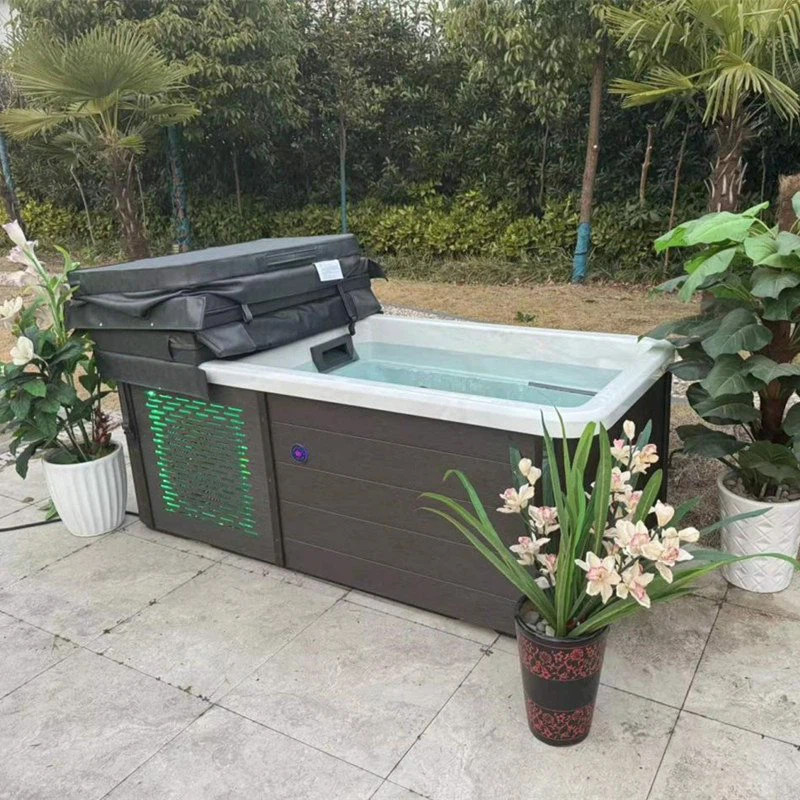
Portable Ice Bath Tubs
For those seeking a portable option, portable ice baths are an excellent choice. These ice baths provide the convenience of mobility, allowing users to enjoy cold water immersion therapy wherever they desire, whenever they want to. Portable ice baths are easy to set up and can be filled with clean water from a standard garden hose or an ice machine. They come with insulated covers to maintain the desired water temperature for an extended period.
External Chiller Ice Baths
For individuals who already have a hot tub or pool, an external chiller ice bath is a practical and versatile option. These ice baths are designed to connect to an existing water source, such as a hot tub or pool, and cool the water to desired cold temperatures. With the help of a circulation pump, the external chiller circulates the cold water, ensuring consistent and refreshing temperatures. External chiller ice baths offer the advantage of utilizing existing water infrastructure and are often equipped with advanced filtration and UV sanitation systems to maintain water quality. They provide the flexibility to switch between hot and cold water experiences, making them an ideal choice for individuals who enjoy alternating between hot showers or baths and cold plunge sessions.
Tips for a Safe Cold Plunge
Preparing the Body
Expose Yourself to Cold Gradually, Through Cold Showers or Baths.
Before just jumping into some cold water, work your way up to it (or down to it, really, in terms of temperature). Start with water that's around 60 degrees. We recommended being in the cold bath for only around 1–2 minutes the first several times so that you can give yourself a chance to adapt. From there, you can try staying in the water for longer or lowering the water temperature.
Stay Hydrated and Well Nourished.
Drink plenty of fluids before and after cold plunging to stay hydrated and support circulation. Also, make sure you're eating nourishing foods so that your body has the strength to undergo the shock from cold water.
Choosing the Right Location
Find the option that works best for you. If you know you're more sensitive to the cold, for instance, you might choose an at-home option so you can control the temperature of the water more closely. This may make the most sense if you're just getting used to cold plunging. Natural bodies of cold water are also subject to seasonal and regional availability. You can check with the National Weather Service or your local department of natural resources, which often list the temperatures of major bodies of water. You might also bring your own water thermometer to get an exact read at the time of your plunge.
Health Tips Logo
Take care that the water is clean and safe for swimming. Try to stick to areas that are normally reserved for swimming during warmer months, such as local beaches. That will reduce the chance of hitting any submerged rocks and ensure other safe conditions for swimming.
Proper Technique
Slowly Enter the Water and Practice Controlling Your Breathing.
This is especially important if you're new to cold plunges. Always keep your head above the surface to avoid sucking in water if you have a sudden intake of breath from the shock.
Limit Time Spent in the Cold.
Aim for a max of 15 minutes total in the cold-water therapy baths to ensure that there is not a significant decrease in the core temperature.
Postplunge Care
Warm up Gradually with Layers of Clothing and Hot Beverages.
Put on warm clothes in layers and get out of the elements. Stand by a heat source, such as a fire or even a heating vent. Make sure to drink hot beverages.
Listen to Your Body and Seek Medical Attention If Necessary.
Pay attention to how your body responds to cold immersion, and stop immediately if you experience any signs of discomfort or distress. The most important point is to check with your doctor before you take a cold plunge. After cold plunging, be sure to keep an eye out for frostbite symptoms, like loss of color or feeling in body parts.
What Should be Considered When Choose Cold Plunge


1. Determine Your Purpose
●Recovery: Cold plunges are usually used by athletes who wish to fight inflammation, alleviate soreness, and recover more quickly.
●Mental clarity: Cold plunging can help you wake up and get more energy to do your work, so it's great at the start of your day.
●Wellness and Stress Relief: Cold plunge tubs bring peace and tranquility to some people, helping them feel better overall. If you feel stressed or anxious, a cold tub is the right choice
●Once you know your primary issue, selecting a model based on size, temperature, and additional features will be easier.
2. Choose the Right Size
Cold plunge come in various sizes, so you must consider whether you have a small space and whether one or many people will use it. These include tubs that require a single person to use, or larger ones in which multiple people can fit. Ensure that you get the tub dimensions and open installation plans.
3. Material Matters
The next point is the cold plunge's material. Stainless steel is usually the most suitable alternative since it is long-lasting, simple to care for, difficult to destroy, and resistant to corrosion. Nevertheless, cheaper substitutes, like plastic or fiberglass, are also available cheaply. The spa in the garden should be nice to use and without problems and difficulties.
4. Features and Temperature Control
●Cold plunges are not created equally. They have different features, and the degree to which they allow you to regulate their temperatures will affect the user experience. It would help if you thought about factors like:
●Temperature control: Whether you use a more advanced heating or cooling system, you can adjust the temperature of your water. This is an ideal feature if you want a system that gives you more control.
●Filtration and Maintenance: When choosing tubs, those with a built-in filtration system will keep the water clean with little need for frequent changes.
●Lighting and Aesthetics: More beautiful imitating tubs should be considered with integrated light or those providing customization options that preserve home decoration.
5. Budget Considerations
The budget also takes the most responsibility when considering what choice can work for you. The cost will also benefit you as the model and the features increase. Hence, you must know how much you can purchase before searching.
6. Installation and Location
Installation may require space alterations depending on whether the cold plunge is indoor or outdoor. Plumbing, electrical work, and, sometimes, permits can also be necessary. However, it is also important to consider the accessibility and privacy requirements related to tub placement.
7. Consult with Professionals
It's strongly recommended that you seek advice from experts with experience with cold plunge installations. They can share valuable insights and recommendations about the best materials and how to prevent common mistakes.
Tips For Maintaining Your Cold Plunge
01/
Clean Regularly
To keep your cold plunge in optimal condition, it's crucial to clean it regularly. Use a non-abrasive cleaner and a soft cloth or sponge to wipe down the surfaces. Avoid using harsh chemicals that could damage the tub.
02/
Check Water Quality
The water in your cold plunge should be clear and free from any debris or contaminants. Test the water regularly using a water testing kit to ensure proper pH levels and sanitizer levels are maintained.
03/
Monitor Temperature
It's important to monitor the temperature of your cold plunge regularly. Keep it at around 50-60 degrees Fahrenheit for maximum benefits. Adjust the temperature as needed, but avoid sudden changes that could shock your system.
04/
Maintain Filters
Cold plunges often have filters that help remove impurities from the water. Clean or replace these filters according to manufacturer instructions to ensure efficient filtration and circulation.
05/
Keep Cover On
When not in use, always keep a cover on your cold plunge to prevent leaves, dirt, and other debris from entering the water.
06/
Inspect Seals and Jets
Periodically check the seals around your cold plunge for any signs of wear or damage. Also, inspect jets if applicable, ensuring they are working correctly and not clogged with debris.
How to Keep Cold Plunge Water Clean
Drain and Clean the Tub Regularly
To maintain cleanliness, empty and clean your cold plunge every few weeks. Pay special attention to removing any debris and dirt that may have accumulated in the water.
Filter and Sanitize the Water
Installing a filtration system can remove impurities from the water. Using sanitization methods like adding hydrogen peroxide and Epsom salt will help keep the water free from bacteria and contaminants. Our cold tubs are each equipped with an advanced filtration system that uses a 2-step filtration process and a 20-micron filter. It effectively removes all foreign contaminants before the water enters the cold tub.
Keep It Cold and Covered
Another easy way to maintain cleanliness is by keeping the water at a cold temperature to prevent bacteria from growing. Additionally, using a cover when the cold plunge is not in use will help preserve water quality for a longer duration.
Deep Clean Every Few Months
Perform a thorough deep cleaning of your cold plunge every few months to ensure a complete removal of bacteria and germs. Use suitable cleaning supplies and follow the proper cleaning procedure outlined below.
Our Factory
During the past 18 years, we teamed up with 220 employees who are passionate about the hot tub industry with great skill and experience. We now own two factories that take up 968,751 square feet with the most cutting-edge technologies to meet the monthly output of 2000-3000 pcs luxury hot tubs and swimming spas.




Our Certification
We passed CE, ETL, RoHS, NSW, SAA, and ISO9000。


Ultimate FAQ Guide to Cold Plunge
We're professional cold plunge manufacturers and suppliers in China, specialized in providing high quality customized products. We warmly welcome you to buy high-grade cold plunge made in China here from our factory. Contact us for more details.
